
As the mercury rises, so does the importance of ensuring our homes are safe sanctuaries from the scorching heat waves. With climate change making extreme weather events more common, learning how to protect yourself and your loved ones from the dangers of overheating becomes crucial. This piece will guide you through making your home a cool haven, even as temperatures outside soar.
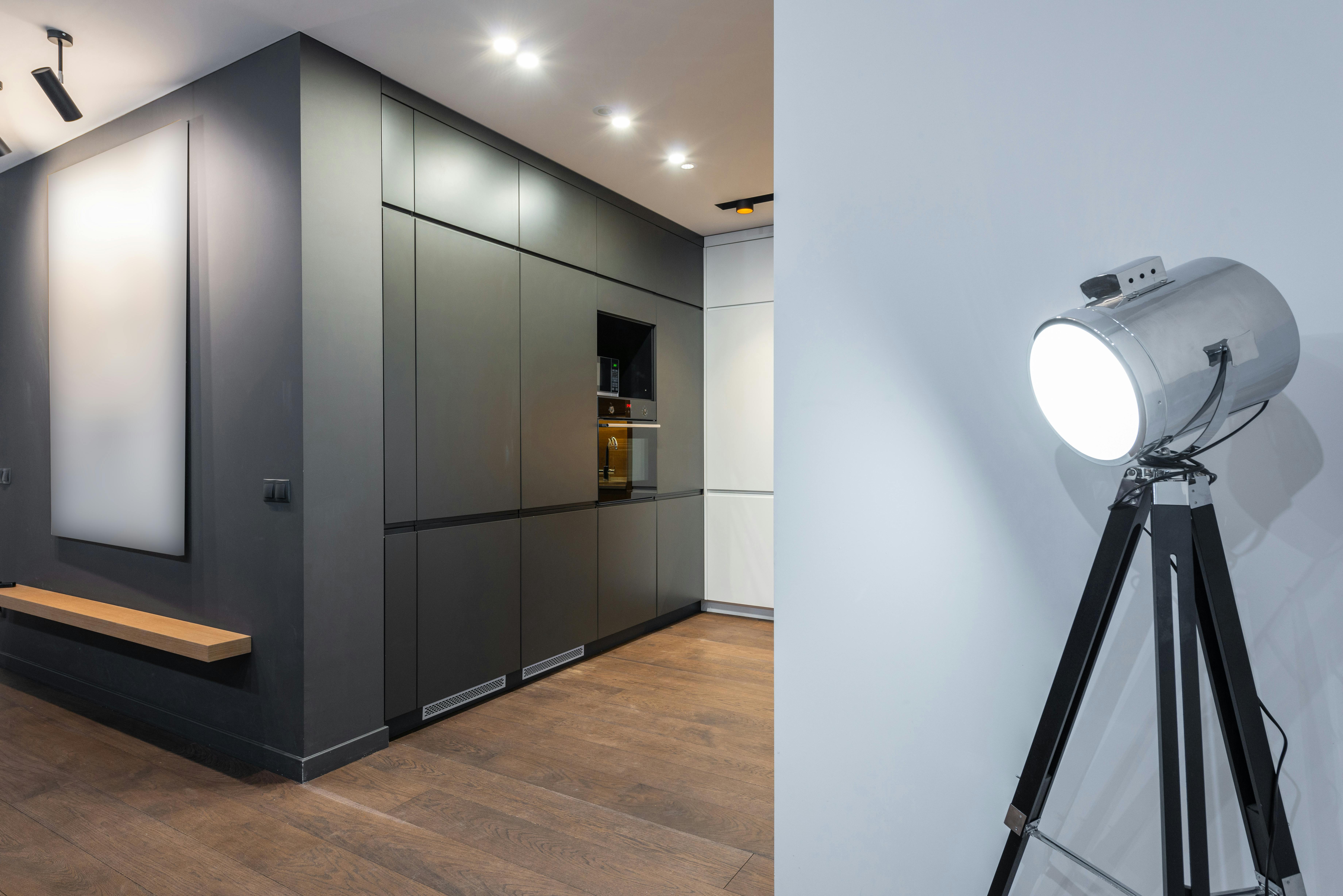
Understanding Heat Waves and Their Impact

The Science Behind Heat Waves
Heat waves, defined as prolonged periods of excessively hot weather, which may be accompanied by high humidity, are becoming more frequent and intense due to climate change. Researchers project that these trends will continue, making it more important than ever to understand and mitigate their effects on our health and homes.
Health Risks and Preventive Measures
- Heat-related illnesses: From mild conditions like heat rash and cramps to severe conditions such as heat exhaustion and heatstroke, the health risks of overheating are serious.
- Signs to watch for: Recognizing symptoms of heat-related illnesses, such as dizziness, nausea, and extreme fatigue, can save lives.
- Staying hydrated and dressed appropriately is crucial during heat waves, as is limiting outdoor activities during peak temperatures.
💡 Pro Tip
Installing blackout curtains or shades can significantly reduce indoor temperatures, protecting you from heat-related health risks.
Cooling Your Home Naturally and Efficiently

Eco-Friendly Cooling Solutions
Adopting natural ventilation and strategic shading can enhance your home's cooling efficiency without relying heavily on air conditioning. Additionally, ensuring your home is well-insulated and using reflective materials can further reduce heat absorption.
DIY Modifications for Better Heat Resistance
- Reflective window coatings: These can deflect a significant portion of solar energy away from your home.
- Weather stripping: Sealing leaks around doors and windows can prevent hot air from entering and cool air from escaping.
- Creating a cool zone: Designate a room that can be kept cooler than the rest of the house to retreat to during the hottest parts of the day.
Emergency Preparedness and Community Support
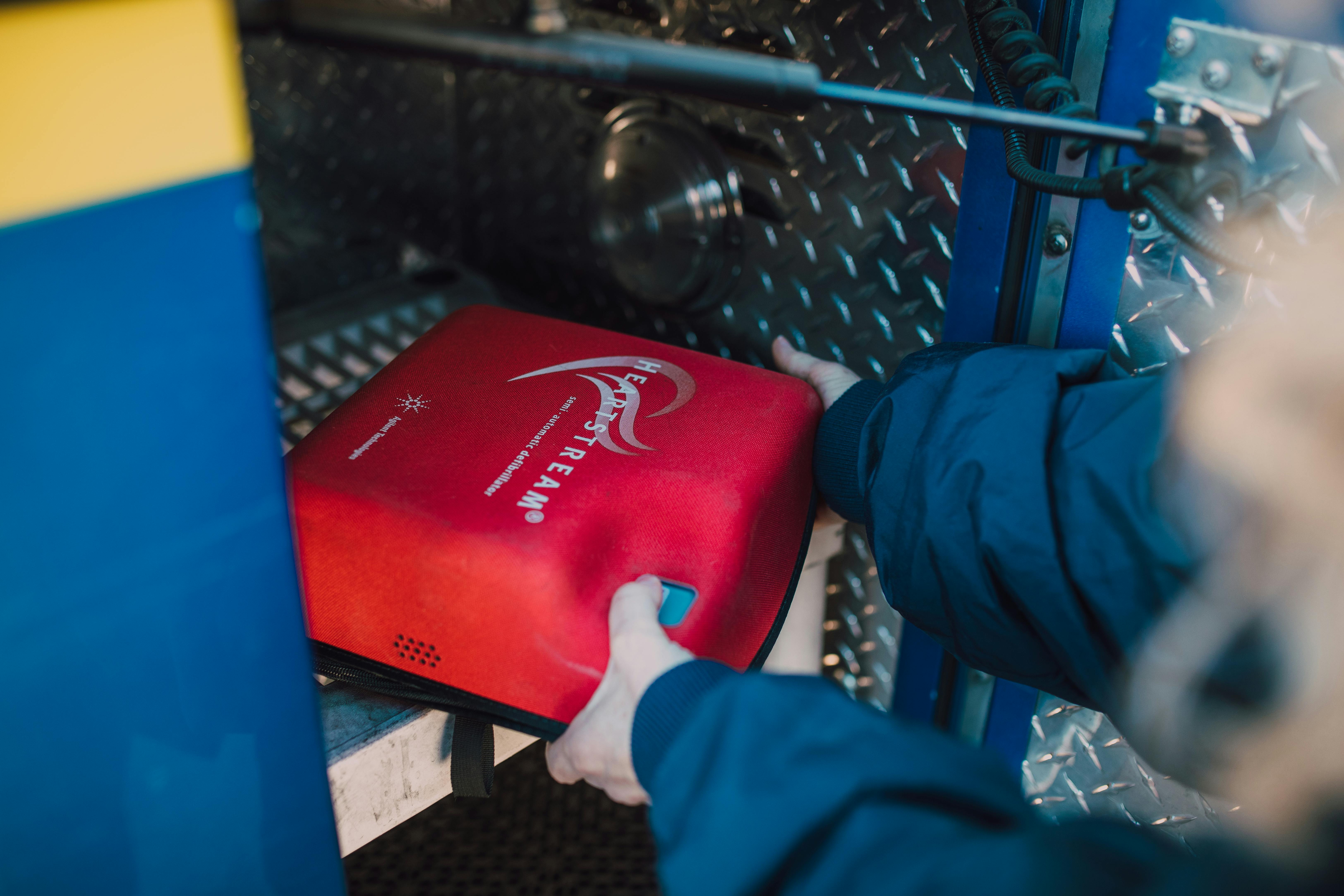
Planning for Power Outages
Having an emergency kit, understanding food and water safety, and keeping informed through local alerts are key steps in preparing for power outages during heat waves.
Leveraging Community and Governmental Resources
Local cooling centers, support services, and programs designed for vulnerable populations play vital roles in community resilience to heat waves. Checking on neighbors, especially those who are elderly or have health issues, can ensure everyone's safety.
Lehigh Valley: Local Considerations for Heat Wave Safety
Adapting to the Humid Continental Climate
The Lehigh Valley's humid continental climate poses unique challenges. Selecting materials and cooling solutions that are effective in both high temperatures and humidity is essential for year-round comfort and safety.
Compliance with Local Building Codes
Understanding and adhering to local building codes, including Northampton County's UCC amendments, is crucial when making any modifications to your home's ventilation or cooling systems.
Leveraging Local Trends and Resources
Embracing smart home technologies for climate control, sourcing energy-efficient materials from local suppliers, and participating in community initiatives can enhance your home's heat wave resilience.
🌿 Eco-Friendly Reminder
Consider planting trees strategically around your property. They provide natural shade and cooling, reducing the reliance on air conditioning.
As we face the reality of more frequent and intense heat waves, taking proactive steps to ensure our homes remain safe and cool becomes indispensable. By understanding the risks, adopting efficient cooling techniques, and preparing for emergencies, we can protect ourselves and our loved ones from the dangers of extreme heat. Remember, adapting your home for heat wave safety not only provides immediate comfort but also contributes to long-term health and well-being. Start today by making small changes that have a big impact.
Ready to get started? Explore our resources for more tips on keeping your home safe and cool during the summer months.