
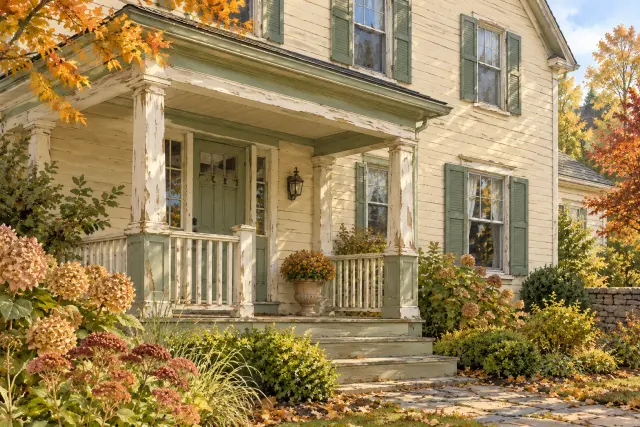
A paint color can transform a home's appearance, but it cannot answer why the existing finish is peeling. Before you choose a new shade, ask the painter to explain the surface condition and the preparation included in the proposal. That conversation makes the final color decision more useful.
For a fall exterior project in the Lehigh Valley, the schedule also needs room for the selected coating's requirements. A promising afternoon forecast is only one part of the application and drying conditions the contractor must consider.
Start with the failing areas
Walk around the house from ground level and photograph peeling, staining, open joints and visibly deteriorated trim. Note where the problem recurs and whether nearby gutters, roof details or landscaping deserve investigation. Avoid scraping or disturbing unknown old coatings during this initial survey.
Ask the contractor what can be evaluated visually and what needs closer inspection. Separate coating failure from damaged substrate. If wood or another surface needs repair, find out who performs that work and how the repair changes the preparation and coating plan.
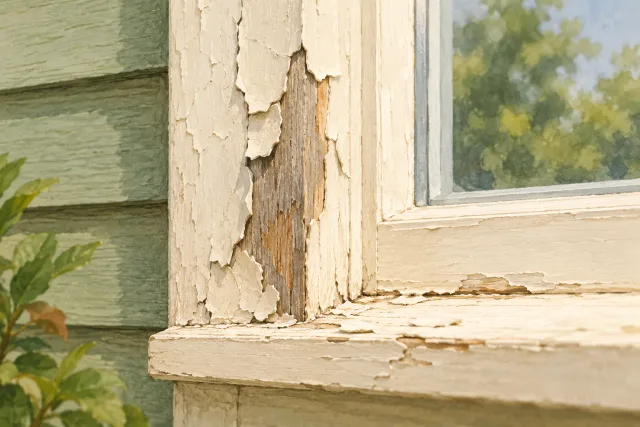
Address older paint before surface work
For a pre-1978 house, review EPA’s lead-safe renovation guidance before the work starts. Disturbing old painted surfaces can create lead dust and chips. Ask the appropriately certified contractor how applicable requirements will be met, including protecting the surrounding area and handling cleanup.
Do not assume that an exterior project is harmless because the work occurs outdoors. Discuss nearby windows, doors, planting beds and play areas. Keep the planned protection and access arrangements in the written scope.
Specify preparation in plain language
Ask the painter to describe cleaning, removal of failing material, repairs, priming and treatment of joints for each surface involved. Different materials and existing coatings may need different approaches. Request the selected product system and the manufacturer's instructions relevant to the proposed work.
Clarify what is excluded. Replacing a deteriorated board, addressing a recurring leak and painting a sound surface are distinct tasks. If the painter identifies a condition outside the contract, agree on how it will be documented and resolved before the finish hides it.
Review the weather and access plan
Ask which temperature, moisture and curing conditions apply to the exact products. Have the contractor explain how the schedule responds to rain, cool nights or a surface that is not ready for coating. Avoid a fixed promise that a season or calendar date alone makes application appropriate.
Include access equipment, protection of outdoor belongings and the route around the house. Decide where vehicles, deliveries and materials can be placed. If work pauses, ask how prepared surfaces and equipment will be left between visits.
Test the color after the preparation questions
Review samples in different light and alongside roof, masonry and other fixed materials. Ask how the sample relates to the selected finish and sheen. A digital rendering is useful for narrowing ideas, while a physical sample helps you judge the actual combination at your house.
At completion, keep the product names, colors, sheen and maintenance instructions. Walk the scope with the contractor and record any remaining items. If the work prompts a larger exterior decision, our siding selection guide offers related planning questions. A local exterior professional can help connect the repair and finish decisions.