
As the skies clear and the storms pass, homeowners are often left with the daunting task of assessing the damage to their properties. In an era where storms are becoming more frequent and intense, understanding how to effectively inspect for storm damage is more crucial than ever. This guide offers a comprehensive look into storm damage inspections, blending expert insights with practical advice to ensure you can protect your home and navigate the aftermath of a storm with confidence.
Understanding Storm Damage
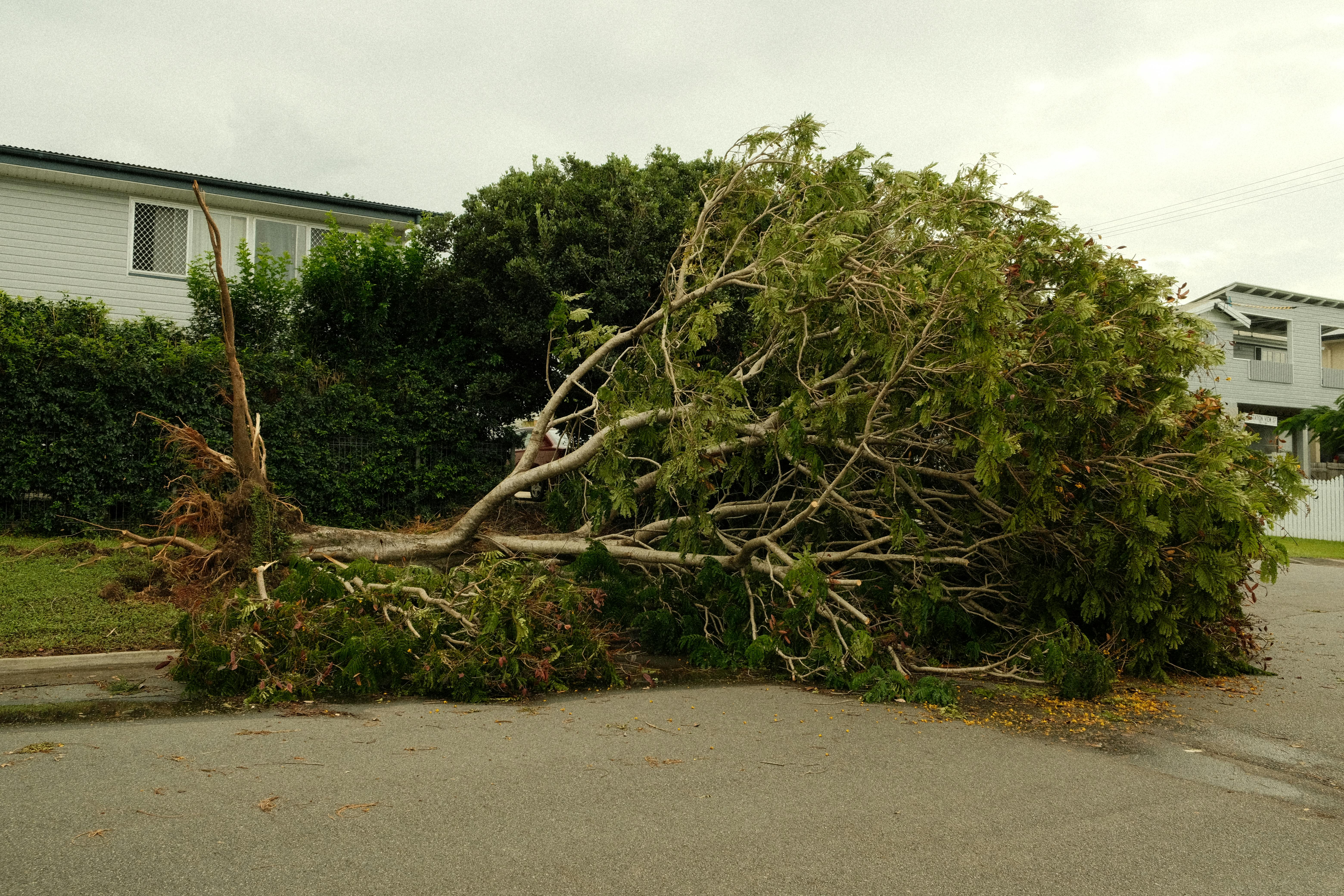
Types of Storm Damage
Storms can unleash their fury in multiple ways, leaving a trail of destruction that varies in scale and type. Identifying the nature of the damage is the first step towards recovery:
- Wind Damage: Strong winds can tear shingles from your roof, topple trees, and hurl debris, compromising the safety and integrity of your property.
- Water Damage: From flooding to leaks, water can infiltrate your home, leading to mold, structural issues, and other long-term problems.
- Hail Damage: Hail can puncture roofs, dent siding, and shatter windows, leading to significant repairs.
- Recognizing the less obvious signs of storm impact, such as granule loss on shingles or water stains on ceilings, is crucial for a thorough inspection.
The Importance of Timely Inspections
Delaying an inspection can exacerbate issues, making repairs more costly and extensive. Quick action not only supports insurance claims but also reduces further damage. Experts recommend inspecting your property as soon as it's safe to do so post-storm.
Safety First: Preparing for an Inspection

Safety Measures
Before venturing out to inspect your property, prioritize your safety:
- Wear personal safety gear, including a helmet, gloves, and reflective vest.
- Ensure it's safe to return to your property by staying updated with local advisories.
- If you encounter downed power lines or structural damage, call in professionals to manage the hazardous situation.
DIY vs. Professional Inspections

Conducting Your Own Inspection
Homeowners can perform a preliminary inspection to assess storm damage. Use a comprehensive checklist that covers:
- Roof and shingle condition
- Signs of water intrusion in attics and basements
- Window and door integrity
Understanding your limitations is vital. If you're unsure about the damage's extent, it's time to seek professional help.
The Value of Professional Inspectors
Professional inspectors bring expertise and tools that go beyond the capabilities of most homeowners. They can identify hidden damage, provide detailed reports, and support insurance claims, streamlining the recovery process.
Ready to get started? Browse our YHR Pros Directory to find qualified contractors in the Lehigh Valley.
Leveraging Technology in Inspections

Drones and AI
Advancements in technology are changing the landscape of home inspections. Drones and AI offer new possibilities:
- Drones can safely assess roof damage and other hard-to-reach places without risking personal injury.
- AI algorithms can analyze images to detect damage patterns, speeding up the inspection process and identifying areas that may require a closer look.
Local Considerations in the Lehigh Valley
Climate and Architecture
The unique climate and architectural styles of the Lehigh Valley present specific challenges for storm damage inspections. Heavy snowfalls, for instance, can test the structural integrity of roofs, while historic homes may require specialized repair techniques.
Codes, Trends, and Challenges
Navigating local building codes and permits is essential for any repair or rebuilding effort. Additionally, homeowners are increasingly looking towards storm-resistant designs to mitigate future damage. Understanding these trends and challenges can help you make informed decisions.
Storms may be an inevitable part of nature, but with the right knowledge and tools, you can mitigate their impact on your home. Whether you decide to undertake inspections yourself or bring in the professionals, staying informed and prepared is key. Remember, the safety of you and your loved ones is paramount. Once the storm passes, take a deep breath, assess the situation, and take the necessary steps toward recovery. For more resources and professional assistance, explore our comprehensive guides and services tailored to the Lehigh Valley residents.
💡 Pro Tip
Keep a record of your property's condition before the storm season. This can significantly aid in processing your insurance claims efficiently.