
Water is a precious resource, and with increasing drought conditions and water scarcity, the importance of efficient water management through smart irrigation systems has never been more crucial. This guide takes you through the essentials of smart irrigation technology, helping homeowners make informed decisions to conserve water and maintain beautiful landscapes.
Understanding Smart Irrigation Systems
How Smart Irrigation Works
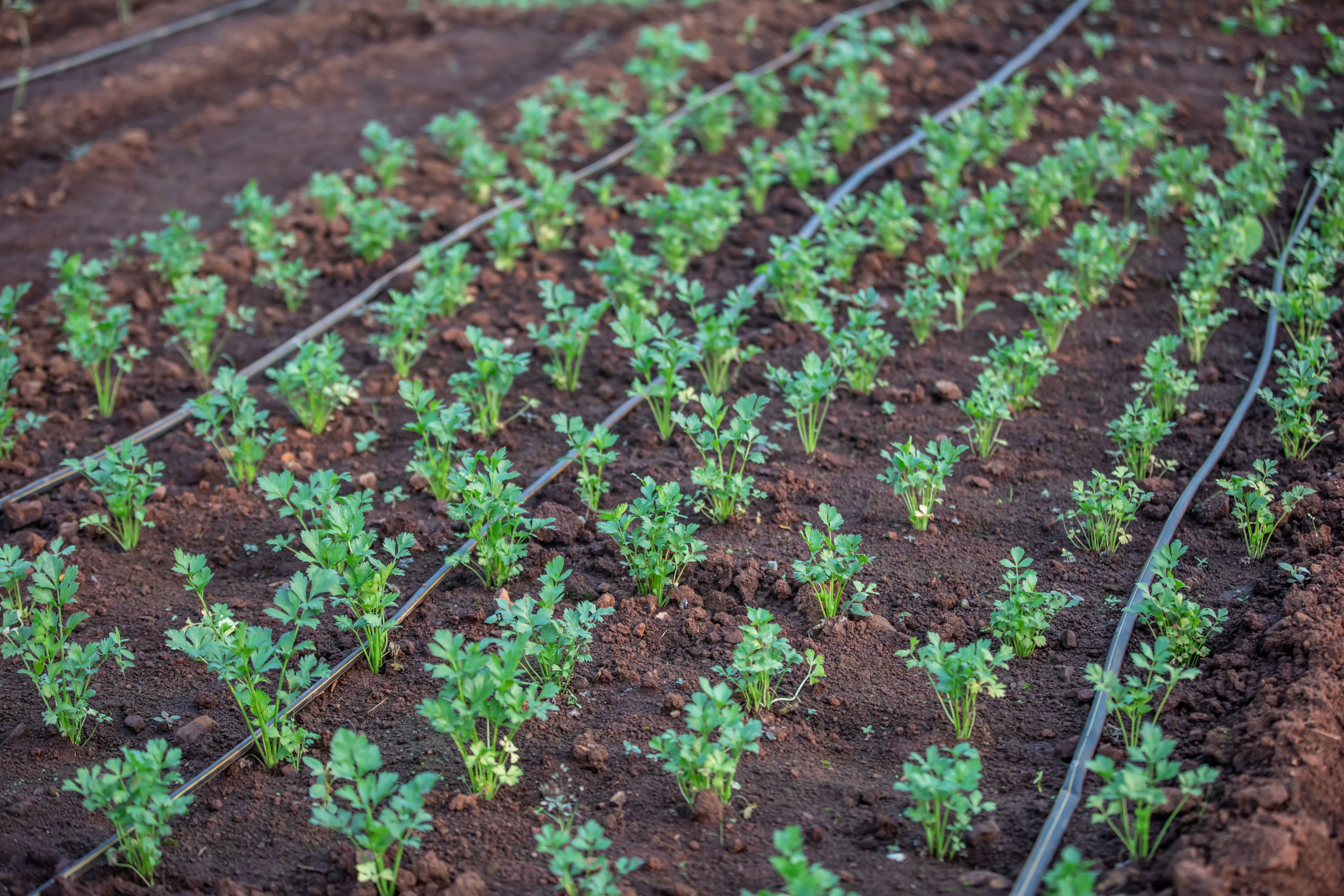
Smart irrigation systems utilize technology to monitor environmental conditions and adjust watering schedules. By integrating with IoT and AI, these systems provide real-time data analysis and automation, ensuring that your lawn and garden receive the precise amount of water needed.
- Key components include sensors, controllers, and weather data integration.
Traditional vs. Smart Irrigation
Traditional systems often waste water by adhering to fixed schedules, regardless of actual weather or soil conditions. In contrast, smart systems optimize water usage based on real-time data, providing significant cost savings and efficiency improvements.
- Smart systems adjust to current weather and soil conditions.
- Cost savings and efficiency improvements are significant with smart systems.
💡 Pro Tip
Consider integrating your smart irrigation system with a home automation platform for seamless control.
Benefits of Smart Irrigation
Environmental and Economic Advantages
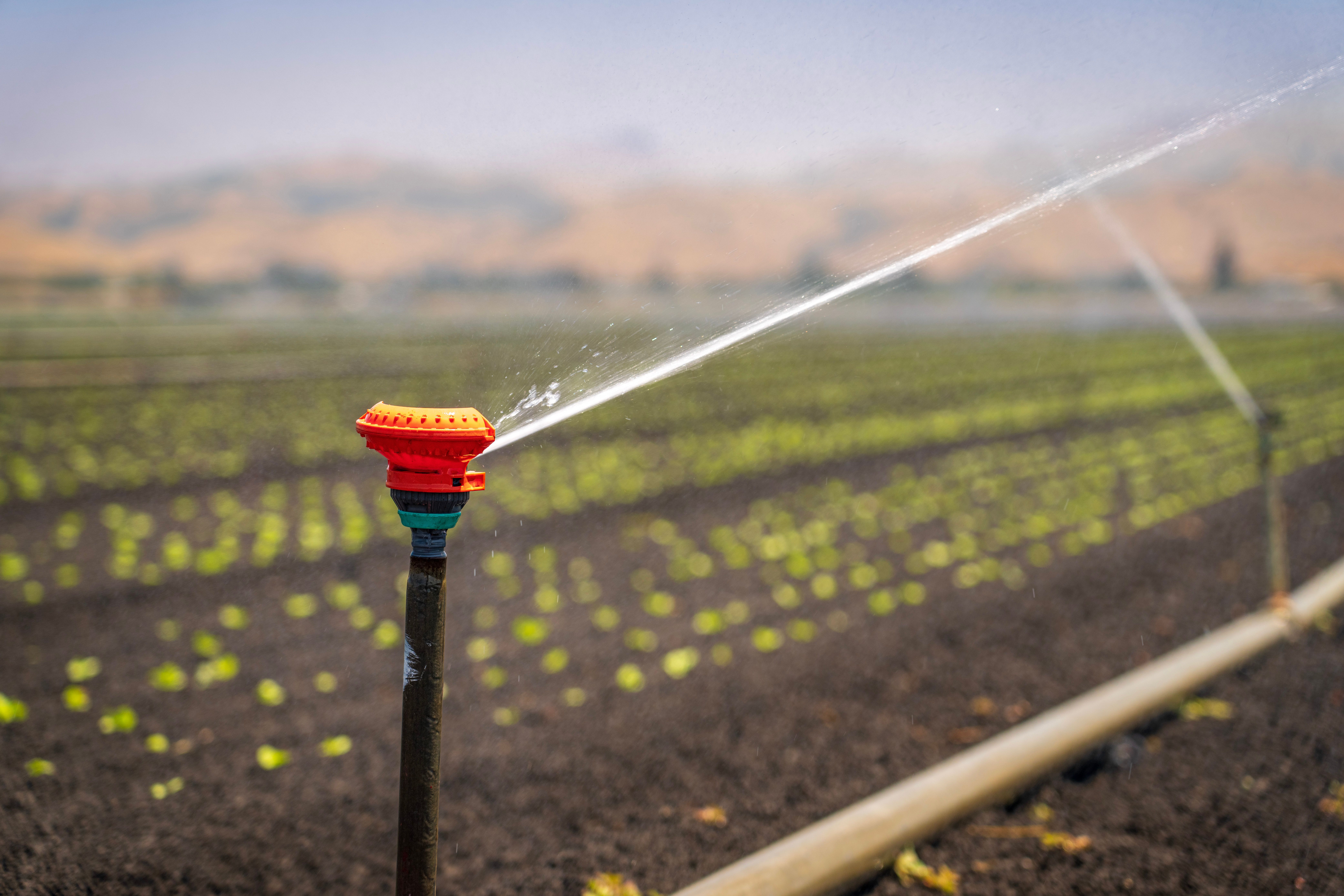
Smart irrigation systems can reduce water usage by 30-50%, leading to significant cost savings. By supporting sustainable landscaping, these systems can also assist in achieving LEED certification.
- Government incentives and rebates are often available for adopting water-saving technologies.
Convenience and Flexibility
With smart systems, homeowners can enjoy remote control via mobile apps, allowing for easy management and real-time adjustments to ensure optimal water usage.
- Maintenance reminders help ensure systems operate efficiently.
Ready to get started? Browse our YHR Pros Directory to find qualified contractors in the Lehigh Valley.
Local Considerations for Lehigh Valley Homeowners
Climate and Architecture Impact
Lehigh Valley's climate requires systems that can adapt to humid summers and wet seasons. Large yards typical in local architecture stand to benefit greatly from efficient irrigation solutions.
- Local suppliers and resources can provide the necessary components and support.
Regulations and Timing
Before installing smart irrigation systems, check local building codes and permit requirements. Spring and early fall are optimal times for installation to avoid weather-related delays.
- Local trends show a preference for eco-friendly home improvements.
Implementation and Maintenance Tips
Getting Started with Smart Irrigation
Begin with a water audit to assess current usage and identify areas for improvement. Choose a system that fits your property size and specific needs, considering professional installation for optimal setup and functionality.
- Conduct a water audit.
- Choose a compatible system.
- Consider professional installation.
Maintenance for Optimal Performance
Regular maintenance is crucial for smart irrigation systems to function efficiently. Regularly check and calibrate sensors and controllers, update software, and schedule periodic inspections.

🌟 Success Story
Homeowners who switched to smart irrigation reported up to 40% reduction in water bills within the first year.
Making the Decision: Is Smart Irrigation Right for You?
Evaluating Cost vs. Benefits
Consider initial investment costs versus long-term savings on water bills. Explore available rebates and incentives to offset costs. Assess the environmental impact and contributions to sustainability goals.
Property Types and Suitability
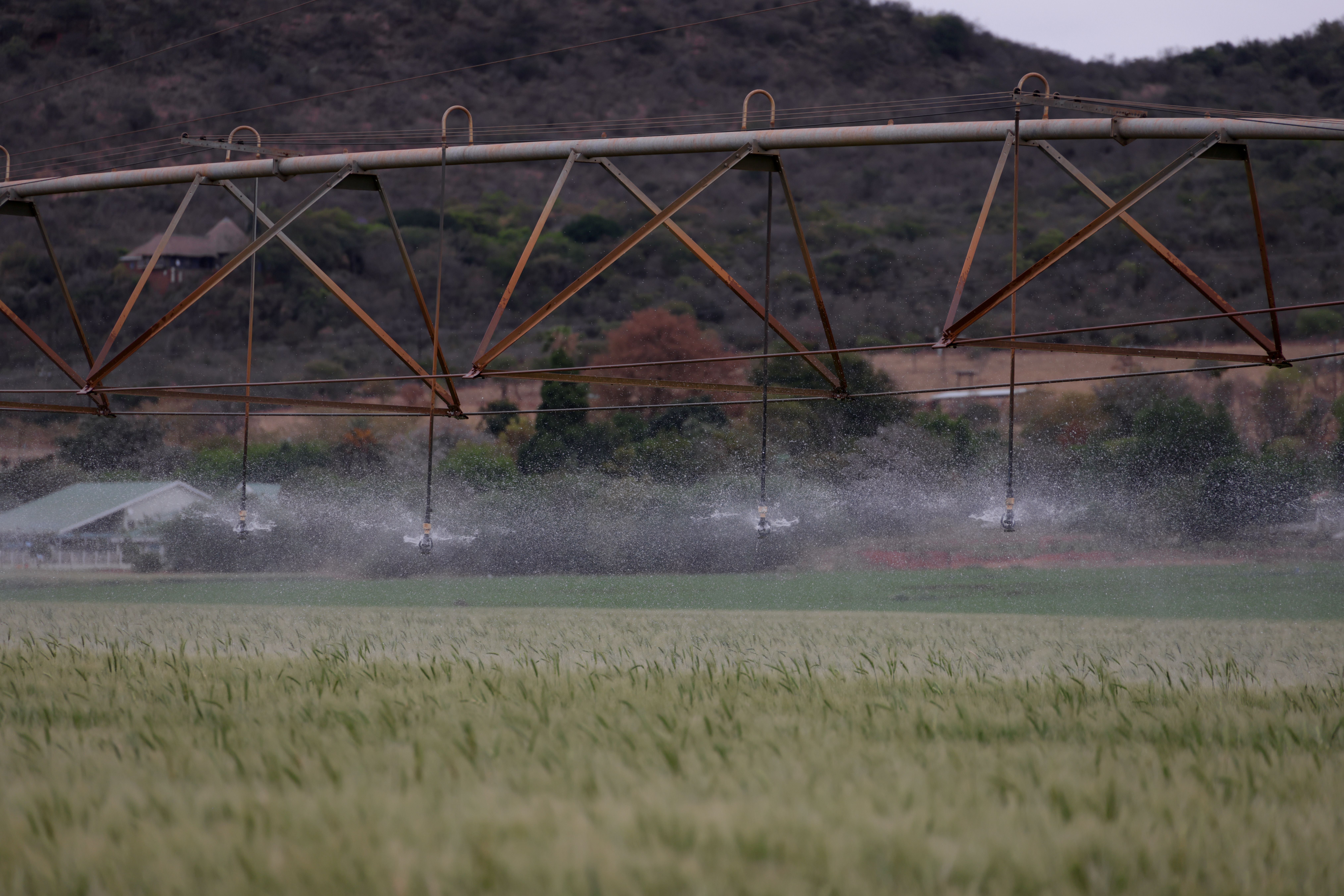
Larger properties with extensive landscaping will benefit most from smart irrigation. Evaluate soil types and existing irrigation infrastructure for compatibility. Smart irrigation can be tailored to suit both residential and commercial properties.
Ready to take the next step? Contact a local expert through our YHR Pros Directory to explore smart irrigation options for your home.
"Smart irrigation systems offer a powerful solution for efficient water management, conserving resources while maintaining beautiful landscapes." — YHR Magazine
For homeowners in the Lehigh Valley, these systems not only promise economic and environmental benefits but also align with local trends towards sustainability. Embrace smart irrigation and take a step towards smarter, more sustainable living. Explore our directory to find local professionals who can help you get started with smart irrigation today.